


When someone asks for $10 million to solve an environmental problem, the smart question is: what exactly am I paying for? Not in vague terms like “supporting clean energy initiatives” or “building a sustainable future.” What physical things will exist in the world that don’t exist now? What changes by when? How will anyone know if it worked?
Harbor Current Foundation Inc. has answers to all of that. They want $10 million, and they’ll tell you exactly what you’re buying with it: electric ferries and water taxis operating in four American cities within 18 months, cutting emissions by 25 to 40 percent in those specific harbors. Not eventually. Not in some aspirational timeline that keeps getting pushed back. Eighteen months from funding to boats in the water.
That specificity is rare enough to be worth paying attention to.
The foundation’s CEO, Maria Andrade, spent more than twenty years raising five children and working as a licensed real estate professional before launching this initiative. She’s not an environmental activist who discovered harbor pollution. She’s someone who built a career guiding families through real estate transitions, learned how communities actually work, and decided diesel-powered harbor vessels were a problem she could help solve. The EPA says marine vessels account for nearly 30% of total port emissions, which means a third of all pollution coming from America’s ports is hitting the same communities every single day.
Low-income neighborhoods and working families who’ve been there for generations deal with higher asthma rates in kids and more cardiovascular disease in adults, all connected to diesel exhaust that’s become background noise to everyone else.
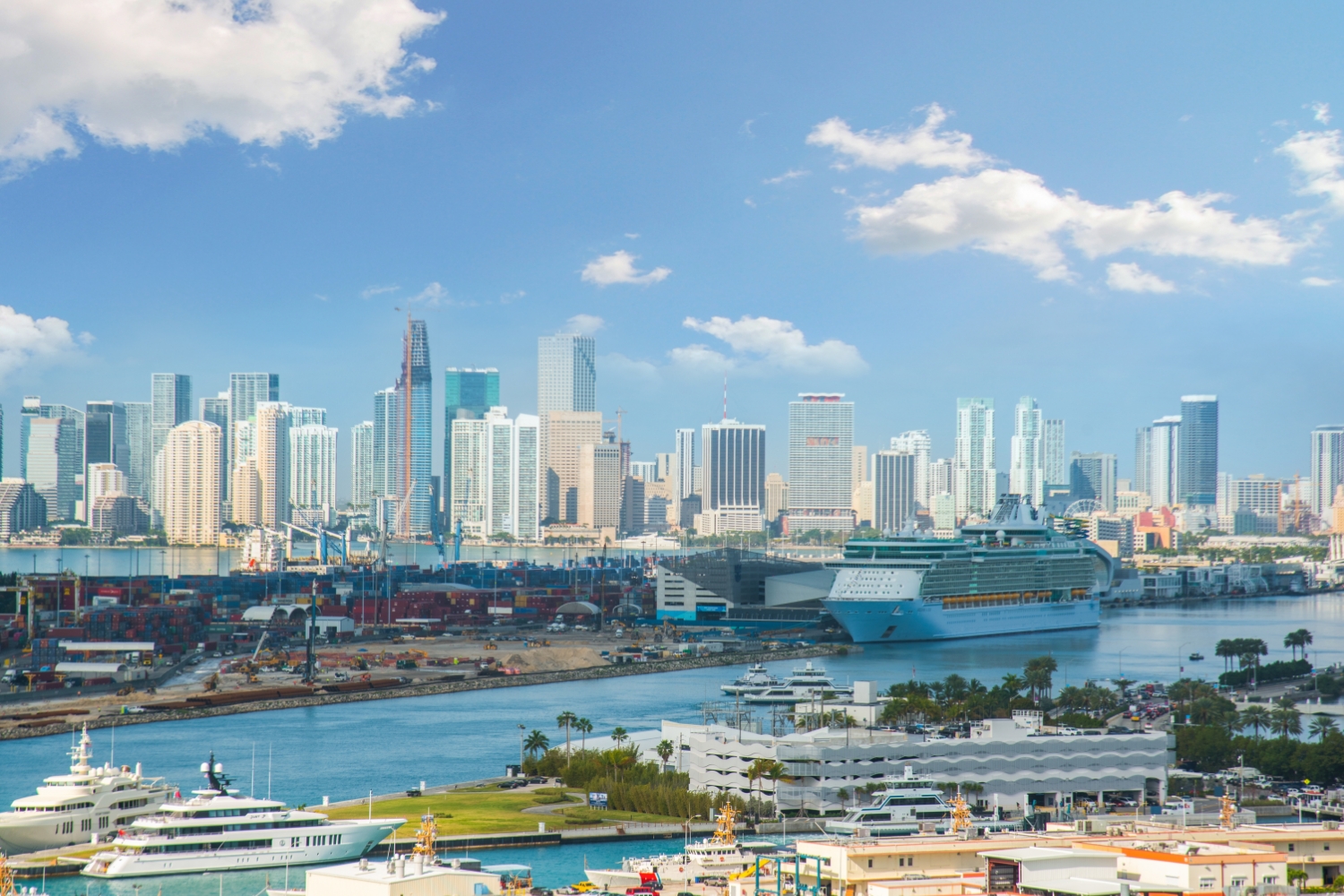
Andrade’s asking for $10 million because that’s what it takes to prove electric vessels work in four different harbor environments. Miami handles major international port operations, while Annapolis has a historic waterfront with smaller-scale needs. Charleston’s tourism economy depends on water transportation, and Boston runs established commuter ferry systems. Each city represents a different challenge, which is the point. If it works in all four, it’ll work almost anywhere.
Here’s where the money actually goes. With $2.5 million allocated per harbor, the budget covers vessel acquisition or retrofitting, charging infrastructure installation, research and feasibility studies tailored to each city’s setup, community education programs, and operational costs. There’s contingency funding for unexpected challenges because deploying new technology in diverse marine environments always comes with surprises.
The foundation plans to install at least four harbor charging stations, host six educational events to bring communities and harbor authorities on board, and create what they’re calling a Clean Harbor Replication Toolkit. That last part matters because the goal isn’t just fixing four harbors. It’s creating a blueprint any coastal city can copy without starting from scratch.
Seventy-four percent of the budget goes directly to vessels and infrastructure rather than overhead. That’s verifiable. You can trace where the funding goes because the outputs are physical things that either exist or don’t. Either there are charging stations installed in these harbors or there aren’t. Either electric vessels are running or they aren’t. In two years, the results will be measurable in ways most environmental initiatives can’t match.
What separates this from typical nonprofit work is the economics. Electric vessels cost less to fuel and maintain over time, which means harbor operators save money while cities attract tourists and residents who care about sustainability. Jobs get created in manufacturing and infrastructure installation. It’s not charity propping up something that can’t sustain itself. It’s funding the upfront capital that most harbors can’t access on their own, even though the long-term economics favor electric.
The barrier isn’t technology. Electric ferries and water taxis already operate successfully in multiple countries. What stops American harbors from adopting them is someone has to pay for the initial conversion. Once that hurdle’s cleared, the savings compound over time.
That’s where individual donors become critical. Federal clean energy incentives are available right now. Coastal cities need emissions solutions right now. The global maritime industry is already moving toward electrification. Harbor Current Foundation Inc. isn’t proposing untested theory. They’re deploying existing technology in a structured way with specific timelines and measurable targets.
Andrade’s background matters here. Years of guiding families through real estate transitions taught her how to bring different perspectives together and move people toward shared goals. She knows how to build consensus between engineers, policymakers, investors, and community leaders who all need different things from the same project. “Empathy is the greatest renewable resource we have,” she says. “It fuels collaboration, courage, and change.”
That’s not marketing language. That’s someone who spent two decades managing a household through constant change and learned what it actually takes to get diverse groups aligned on complex problems.
The vision extends beyond American harbors. Andrade’s mission is to electrify the waterways of the Americas by 2040. All 8,000-plus U.S. harbors where it’s possible and practicable, then the Caribbean, then South America. The four cities aren’t the endgame. They’re proof of concept for a global shift in maritime transportation.
Whether that happens depends entirely on funding. Not government grants that take years to secure. Not corporate partnerships that need committee approval. Individual donations that can move fast enough to matter.
For people wondering how individual action connects to meaningful climate progress, here’s a concrete answer: fund the transition to electric harbor transportation. The vessels work, the technology exists, the infrastructure can be built. Capital is the only missing piece.
Harbor communities have been breathing diesel exhaust for generations because that’s just how harbors work. Nobody questioned it or thought about whether it had to be that way.
Maybe that’s what makes this different. Not that Harbor Current Foundation has discovered some revolutionary solution, but that someone finally stopped treating harbor pollution like it’s inevitable. Andrade looked at a problem everyone else had learned to tune out and decided it was worth fixing. She’s asking for $10 million to prove it can be done. In eighteen months, we’ll know if she was right.
At minimum, four harbors will have cleaner air. At maximum, every coastal city in America gets a proven blueprint they can follow. Either way, the money buys something tangible. That’s rare enough to be worth considering.
