

For decades, the global entertainment landscape was defined by centralized industries. Hollywood and Bollywood emerged as large-scale systems built around studios, stars, and capital-intensive production. But a quieter, more agile model has emerged in Nigeria: Digital Nollywood. Unlike legacy film industries built around hierarchical studios and massive capital, Digital Nollywood thrives on volume, authenticity, and direct digital engagement, redefining how content is created, distributed, and monetized
Digital Nollywood refers to the adaptation of Nigeria’s film culture, originally rooted in fast, low-budget, high-volume production, to the digital ecosystem. It emphasizes rapid turnaround, platform-native formats, and direct interaction with audiences on YouTube, Instagram, TikTok, and other digital channels. Where Hollywood depends on theatrical spectacle and multi-year production cycles, and Bollywood on formulaic star vehicles and traditional distribution, Digital Nollywood’s strength is scale, speed, and cultural resonance.
Quantitatively, Nollywood is striking. By many industry estimates, Nigeria’s film industry produces thousands of films per year, placing it among the world’s most prolific by output. In the United States, annual releases are generally in the hundreds, depending on how studio and independent films are counted.
The contrast is even clearer when looking at production budgets. In Nigeria, film budgets can range from very lean, indie-scale productions to larger commercial projects, often far below the typical cost structures in Bollywood and Hollywood. By comparison, many Bollywood productions operate in the multi-million-dollar range, while Hollywood tentpoles can reach nine-figure budgets. Despite lower absolute budgets, Nollywood demonstrates remarkable capital efficiency: modest investment can produce high-volume content that reaches audiences locally and online quickly.
Beyond sheer film counts, recent box office reporting suggests Nollywood’s growing commercial strength. In some periods, locally produced films have captured a leading share of West African ticket sales, at times rivaling or surpassing Hollywood imports, a milestone that reflects shifting audience preferences and the market power of local content.
While traditional Nollywood laid the foundation for Nigeria’s film industry, Digital Nollywood extends its reach through digital platforms. Across YouTube and other social channels, digital film and comedy content from Nigeria reaches massive monthly audiences, with engagement driven by shareability and fast feedback loops. Audiences are drawn to stories presented in formats optimized for social media, prioritizing rapid sharing and active engagement over high-budget spectacle.
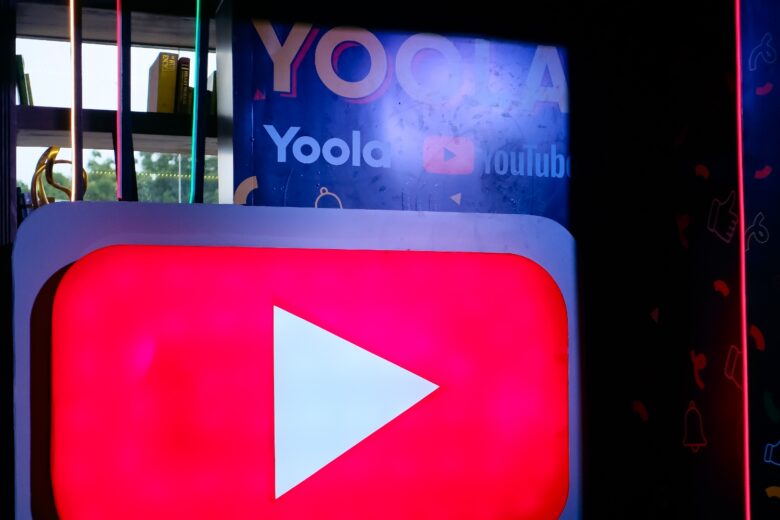
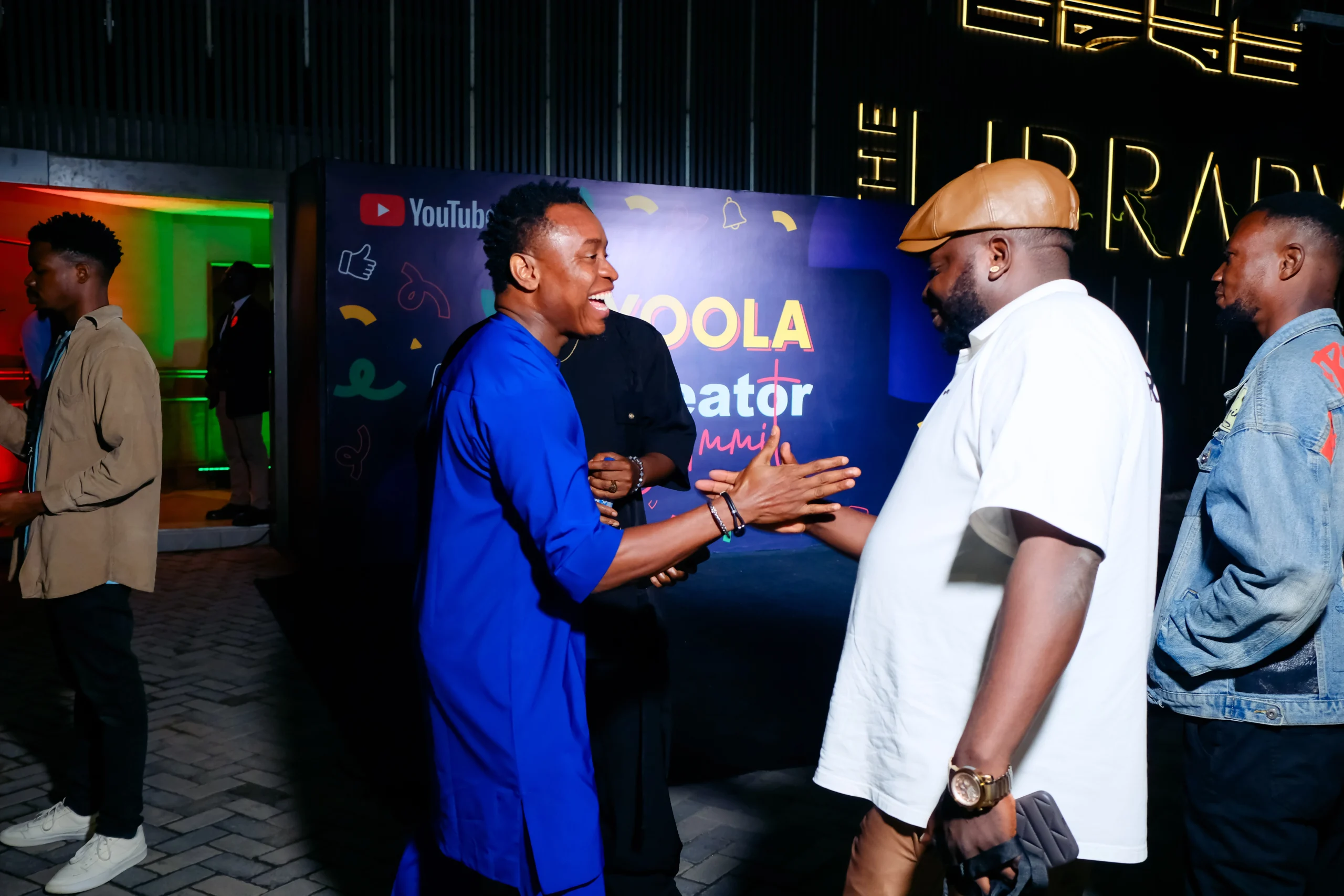
In this environment, Yoola acts as a growth architect. Yoola is an international media company, a YouTube-certified Multi-Channel Network, and a Creator Service Provider working with creators across multiple regions, according to the company. Nigeria is one of Yoola’s key emerging markets and a clear illustration of how Digital Nollywood functions at scale.
With Yoola’s support, comedian Layi Wasabi reportedly saw rapid early growth after launching his channel in late 2024, using platform-native optimization and direct audience engagement. Another Yoola partner, actress and filmmaker Omoni Oboli, has built a major YouTube presence alongside her film work and is frequently cited by the company as a standout creator in its network. Yoola also partners with Brain Jotter, a leading Nigerian comedian who has transformed street comedy into a viral digital format. Based on publicly visible platform metrics, his audience spans millions of followers across channels, with YouTube view counts reaching into the hundreds of millions.
Digital Nollywood today operates as a hybrid creative model, and Yoola plays a central role in shaping and scaling it. The platform works closely with creators, providing tools for analytics, monetization, rights protection, and content localization. This enables talent from Nigeria and beyond to grow their audiences and revenue globally while preserving cultural identity.
According to Yoola, the most valuable asset in this ecosystem is community engagement: audiences are not passive, but actively influence content formats, promotion, and creator support through platform monetization and brand partnerships.
From Yoola’s perspective, several trends are set to define the future of Digital Nollywood:
- Platform monetization and analytics tools are expected to make global content distribution more accessible, reducing reliance on traditional studios and theatrical releases.
- Digital cultural exports through streaming and social platforms are expected to expand Nollywood’s audience beyond Africa.
- Localized storytelling, combined with global distribution tools, allows regional content to compete in markets historically dominated by Hollywood imports.
- AI and data-driven production optimization are expected to accelerate creation and format testing, enabling faster responses to audience demand.
In this polycentric media landscape, Yoola says it builds the infrastructure that allows Digital Nollywood to thrive both commercially and culturally, enabling Lagos to emerge as a new creative capital.
YOOLA
Website | IG | in | FB
