


Most people who’ve spent two decades raising five kids through constant change might be ready to slow down. Maria Andrade did the opposite. After years guiding families through real estate transitions and building the kind of leadership skills that only come from managing a household in perpetual motion, she founded Harbor Current Foundation Inc. and now leads it as CEO with a goal that sounds almost absurd in its scope: electrify the waterways of the Americas by 2040. That means converting as many American harbors as possible and practicable to electric vessel transportation, then tackling the Caribbean, then South America.
It’s the kind of audacious thinking that either changes industries or crashes spectacularly. Andrade’s betting on the former, but she’s clear about one thing: it won’t happen without substantial financial support from people who believe the mission is worth backing.
The urgency is real. Harbor communities continue breathing diesel exhaust from ferries, water taxis, and harbor launches every single day. Andrade brings a different kind of expertise to this fight. Her years as a licensed real estate professional taught her how people navigate transitions, how communities adapt, and what it takes to guide diverse groups toward shared goals. That experience, combined with the resilience she built managing a family through decades of change, gave her something most environmental leaders lack: an understanding of how empathy functions as strategy, not sentiment. “Empathy is the greatest renewable resource we have,” she says. “It fuels collaboration, courage, and change.” She knows coastal communities don’t have another decade to wait. The technology exists. The funding to deploy it doesn’t.
The Problem Sitting in Plain Sight
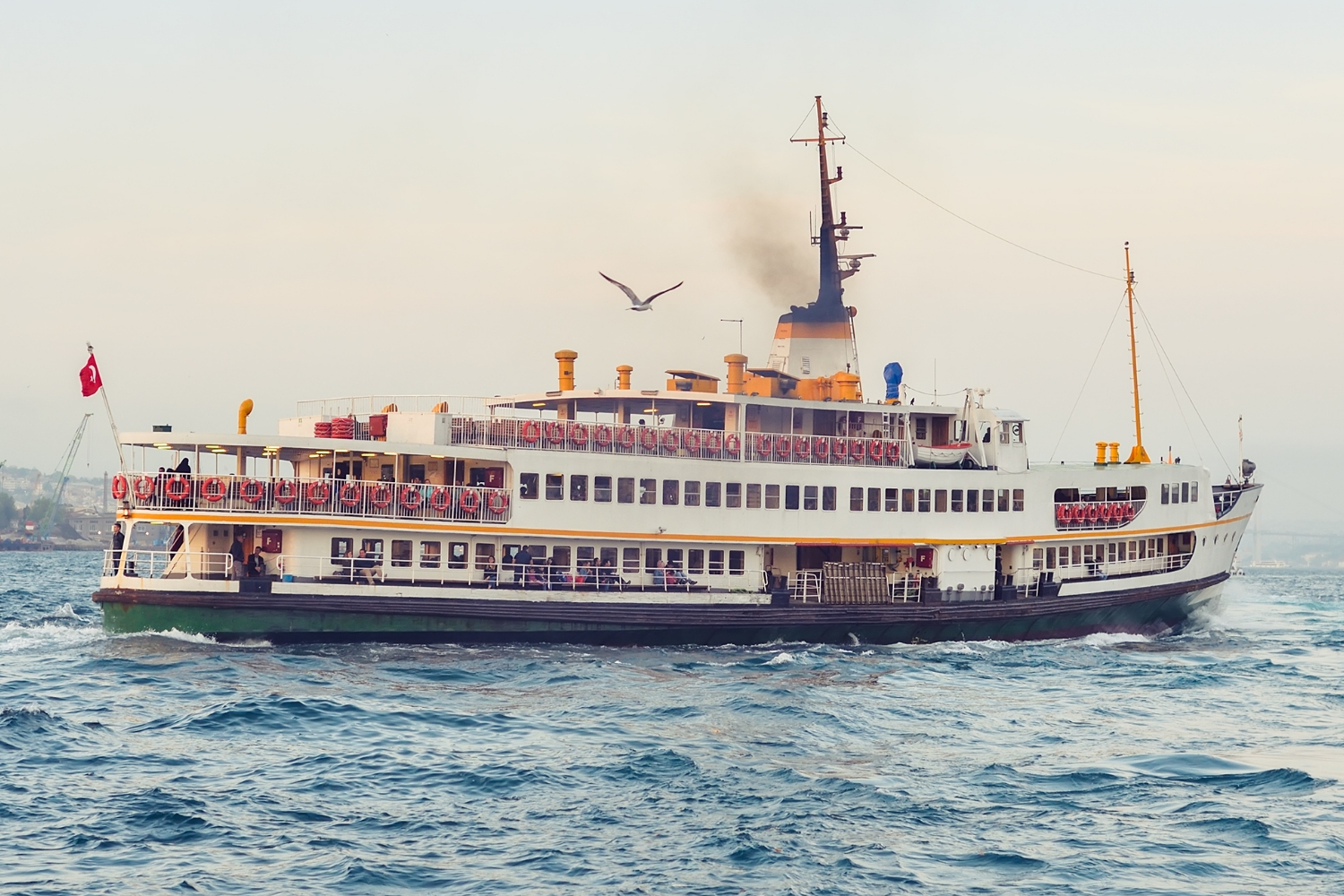
Walk along any American waterfront and you’ll see it. Ferries chugging diesel fuel. Water taxis spewing exhaust. Harbor launches leaving trails of pollution. According to the EPA, marine vessels account for roughly 30% of total port emissions, releasing greenhouse gases, particulate matter, and nitrogen oxides directly into the air that waterfront communities breathe.
This isn’t just an environmental concern. Kids living near harbors have elevated asthma rates. Adults face increased cardiovascular disease risks. The families affected are disproportionately low-income, often communities of color who’ve lived in these neighborhoods for generations. They can’t just move away from the pollution.
Meanwhile, coastal cities are dealing with accelerating sea-level rise and intensifying storms. Continuing to power harbor transportation with fossil fuels while climate impacts worsen doesn’t track with any logical strategy.
The fix exists. Replace diesel-powered vessels with electric alternatives and build the charging infrastructure to support them. It’s the maritime version of what’s already happening with cars and trucks, except on water. The barrier isn’t technology. It’s money.
Four Harbors, Then 8,000 More
Harbor Current Foundation Inc. is starting with pilot programs in Miami, Annapolis, Charleston, and Boston. Each city represents a different type of harbor environment. Miami handles major international port operations. Annapolis has a historic waterfront and smaller-scale needs. Charleston’s tourism industry depends on water transportation. Boston runs established commuter ferry systems.
The plan is straightforward: prove electric vessels work in these diverse settings, document what succeeds and what doesn’t, then create a replicable model any harbor can follow. But those four cities are just the proof of concept. The actual goal is every American harbor possible and practicable. All 8,000-plus of them. Then the entire Caribbean. Then South America. The 2040 target is aggressive, but that’s the point. Incremental change won’t cut it when waterfront communities are breathing diesel exhaust today.
That scale requires funding that grants and government partnerships alone can’t provide. The foundation is seeking $10 million to launch the four-city pilot program, approximately $2.5 million per harbor to cover vessel procurement, infrastructure installation, and operational setup. Harbor Current Foundation Inc. has applied for institutional grants and is working with municipal authorities, but private donations are essential to bridge the massive gap between available resources and what this mission actually needs.
What Donor Support Actually Funds
The technology challenge is mostly solved. Electric ferries and water taxis already operate successfully in multiple countries. What stops harbors from adopting them is capital. Someone has to pay for vessel purchases or retrofits, charging station installation, harbor electrical system upgrades, crew training, feasibility studies, and community education programs.
That upfront investment keeps most harbors stuck with diesel, even though electric vessels cost less over time. No fuel expenses. Fewer mechanical problems. Longer operational lifespans. The economics eventually favor electric, but harbors can’t access the initial conversion capital.
This is where individual donors, family foundations, and impact investors become critical. Contributions to Harbor Current Foundation Inc. directly fund:
- Vessel demonstrations proving electric harbor craft work in real conditions
- Charging infrastructure installation in pilot cities
- Feasibility studies for additional harbors ready to transition
- Community education building public support for clean transportation
- Technical training creating skilled jobs in maritime electrification
- Policy advocacy accelerating nationwide adoption
Supporting this work means funding something tangible with immediate results, not speculative technology that might work someday. Electric vessels exist and perform well right now. The challenge is deployment.
The Health Argument Can’t Be Separated
Waterfront neighborhoods bear the brunt of harbor pollution. These communities, often working-class families who’ve lived there for generations, breathe the diesel exhaust every single day. It affects children’s lung development. It increases adult health risks. It’s not abstract policy debate.
Electric vessels eliminate that direct pollution source. The air quality improvement happens immediately when diesel engines stop running. Donor funding accelerates the timeline, which means healthier air reaches vulnerable communities faster. That’s not a side benefit. It’s a primary outcome.
Why the Economics Matter
This isn’t charity for a lost cause. Electric harbor transportation makes financial sense once you clear the initial investment hurdle. Harbor operators save money on fuel and maintenance. Cities reduce healthcare costs from diesel-related illness. Tourism industries benefit from quieter, cleaner waterfront experiences. Jobs get created in manufacturing, infrastructure, and operations.
The return exists. Most harbors just can’t access upfront capital. Philanthropic support and impact investment prove the model works, which then attracts larger institutional funding and private investment. Early donors essentially catalyze the chain reaction that makes widespread adoption inevitable.
The Four-City Strategy
Success in Miami, Annapolis, Charleston, and Boston creates momentum for the next wave. Each working demonstration makes it easier to convince the next harbor authority, the next city council, the next ferry operator. Harbor Current Foundation Inc. can’t single-handedly transform 8,000 harbors, but it can create the proven blueprint that makes the transformation unstoppable.
And the need extends well beyond U.S. borders. Caribbean nations face urgent climate threats, with island communities particularly vulnerable to sea-level rise and storms. South American coastal cities struggle with pollution and aging infrastructure. The model that works in Miami can work in San Juan, Cartagena, and Rio de Janeiro. Andrade’s vision is to inspire nations worldwide to join the movement toward cleaner seas, which is why the foundation’s mission targets the entire Americas, not just one country’s coastline.
What Donations Enable
The foundation is transparent about what financial support accomplishes. Early funding proves the concept in those first four harbors. Success there builds credibility for the next adoptions. Each demonstration makes the case stronger for the harbor after that.
Think of donor support as the initial push that starts the avalanche. Small contributions fund community education and advocacy. Mid-level donations support feasibility studies and technical planning. Major gifts enable vessel procurement and infrastructure installation. Every amount moves the timeline forward.
The Urgency Isn’t Theoretical
Climate change keeps accelerating. Coastal cities keep getting more vulnerable. Harbor communities keep breathing polluted air. The solutions are ready for deployment. They just need financial backing to happen at the required speed and scale.
For people wondering how individual action connects to meaningful climate progress, here’s a concrete answer: fund the transition to electric harbor transportation. The vessels work. The technology exists. The infrastructure can be built. Capital is the missing piece.
Supporting the Mission
Harbor Current Foundation Inc. is actively seeking contributions from donors who recognize that transforming maritime transportation at this scale requires matching financial commitment.
Andrade brings engineers, policymakers, investors, and coastal communities together by finding common ground where others see conflict. Her years navigating real estate deals and raising a family taught her that getting diverse groups aligned requires understanding what each person actually needs, not just what they say they want. That skill is what turns ambitious goals into functioning partnerships. Her perspective is straightforward: cleaner harbors aren’t just possible, they’re inevitable. Someone just has to fund getting there.
The question isn’t whether America’s harbors will eventually run on electric power. The question is whether we’ll make it happen in time to matter for the communities breathing diesel exhaust today, or whether we’ll keep waiting while the problem gets worse. Harbor Current Foundation Inc. is asking donors to decide that the answer is now, not someday. The scale is enormous. The need is immediate. The technology is ready. What happens next depends entirely on who’s willing to fund it.
