


Small towns have a way of holding onto information without actually keeping it secret. People ask questions about financial decisions that weren’t fully explained. They remember projects that were announced but never finished. They wonder about deals that may not have been properly documented. The knowledge sits there, unwritten and unspoken, protected by the unspoken rule that asking too many questions makes you the problem. But when nobody writes it down, when nobody examines those questions on record, the wondering doesn’t lead to anything. It just becomes part of the background noise of a place.
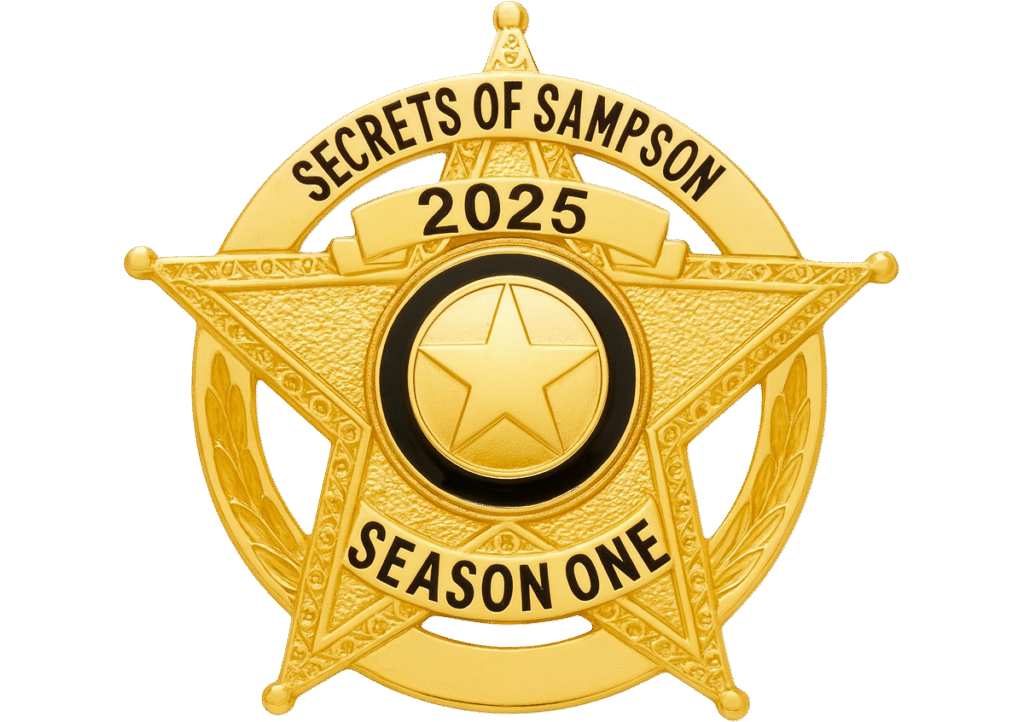
Secrets of Sampson is what happens when someone finally decides to investigate those questions.
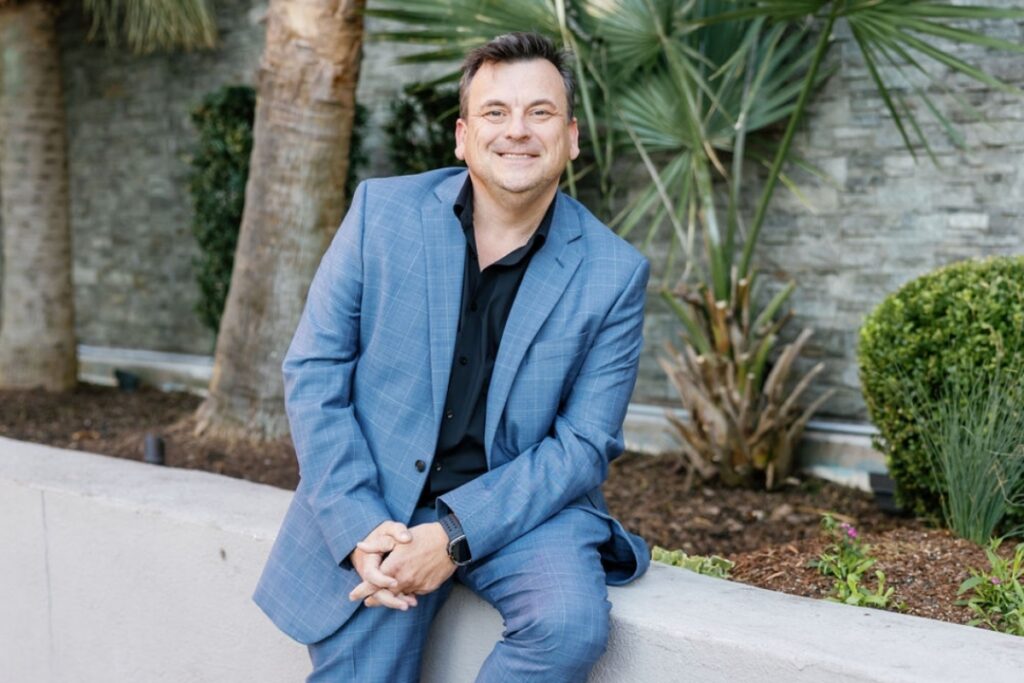
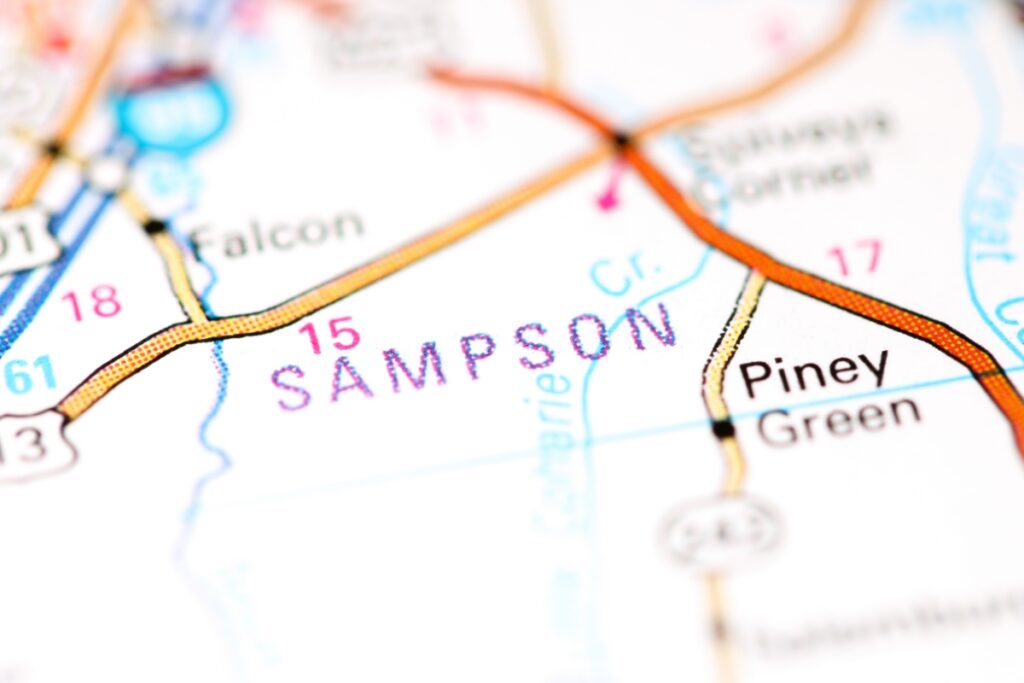
Created by producer and storyteller Monty Hobbs, the series examines Sampson County, North Carolina, focusing on the gap between how the county presents itself and what residents say happens behind the scenes. The documentary explores concerns about economic decisions, questions about financial oversight, and projects that failed to materialize. The goal is to examine these issues with documentation, provide context, and still hold space for grace and redemption when people choose to do better. Hobbs isn’t interested in sensationalizing claims. He wants to investigate them thoroughly and give voice to the people who’ve been living with the questions.
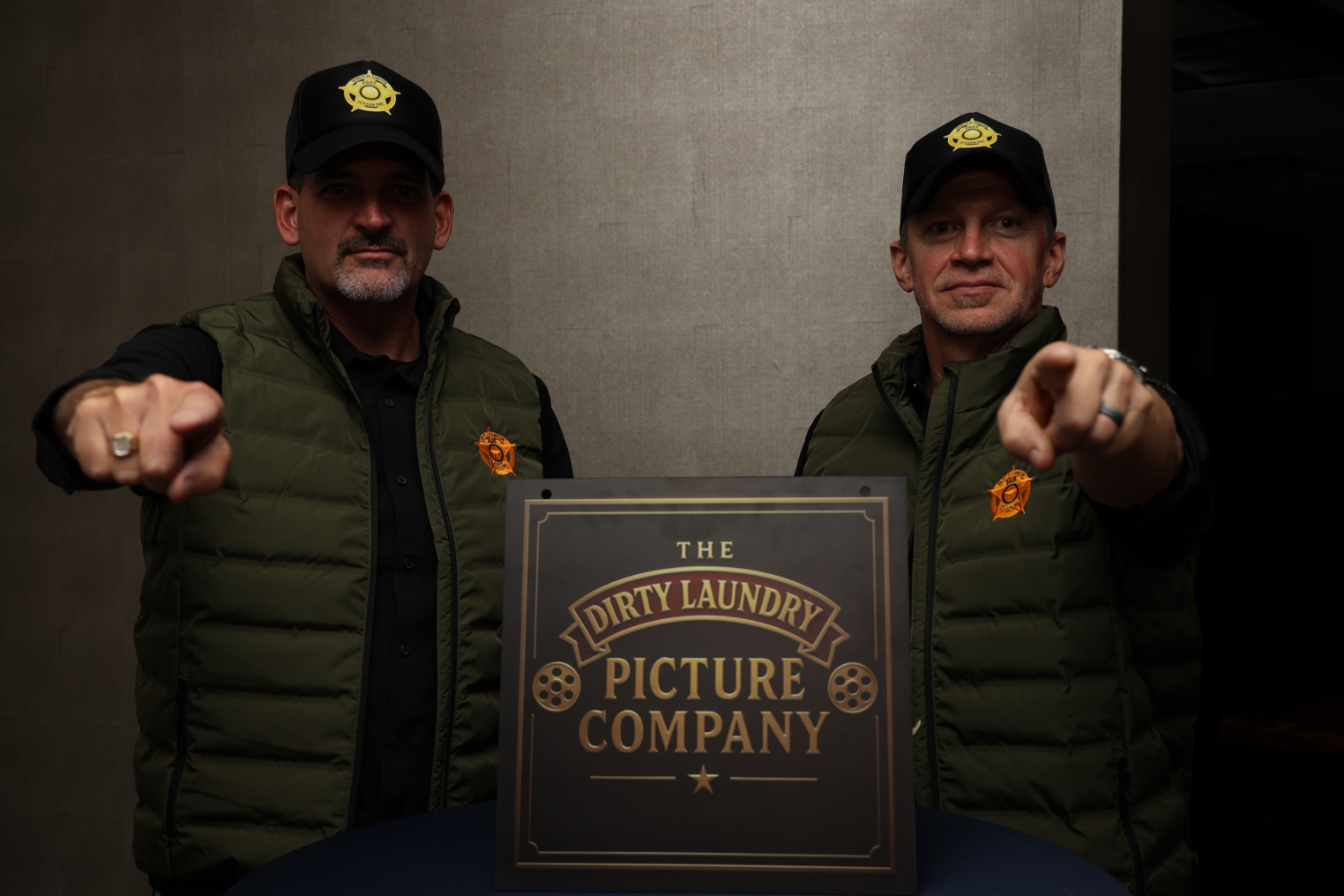
Hobbs grew up in Sampson County before launching his career in 2003 as a production assistant on Warner Bros.’ One Tree Hill in Wilmington, North Carolina. He worked his way up to executive producer, then spent two decades building a career creating original intellectual property. Hobbs runs The Dirty Laundry Picture Company, his production and IP development hub. His projects Divine Renovation and Finding Kindness won multiple Telly Awards and now stream on major platforms. Rather than chasing traditional Hollywood deals, he’s focused on building sustainable infrastructure for content creation that prioritizes ownership and long-term impact.
After twenty-plus years producing content, Hobbs is going back to where it started. Not to Wilmington, but further back. To Sampson County and the stories he believes never made the local paper.
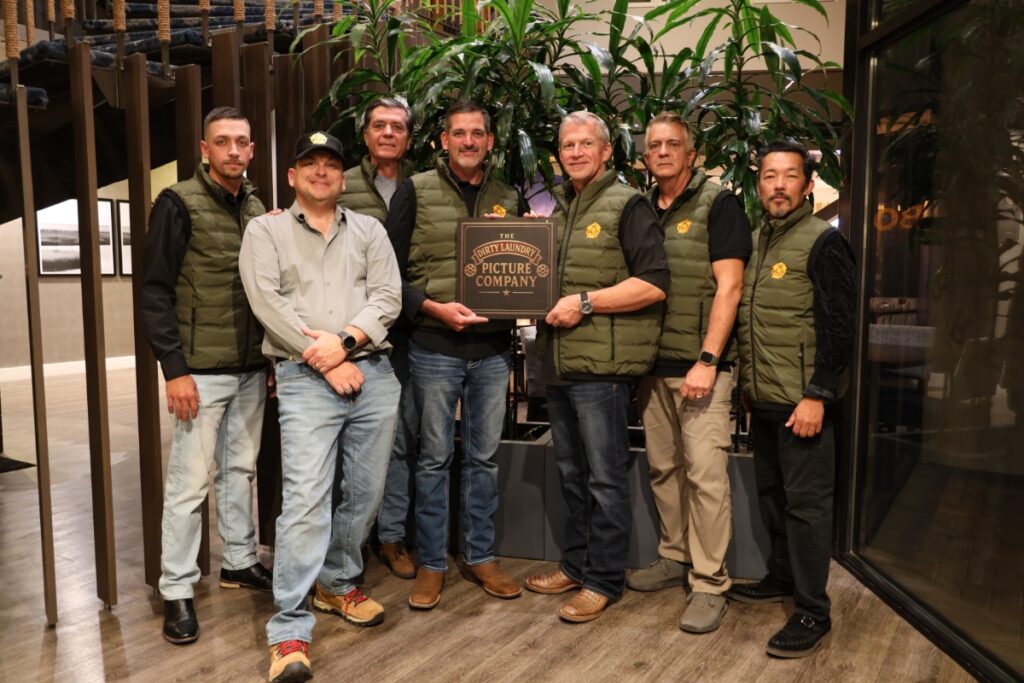
The series assembles a team that balances technical skill with personal connection to the material. Chad Thompson provides the voice of the people, grounding the show in sound and emotion. Anthony Davis connects policy decisions to their real-world impact on families. David Pascua serves as Director of Photography, capturing both the physical spaces and the specific tension between nostalgia and neglect that defines places like this.
Bill Hobbs brings perspective shaped by distance. Like Monty, he left Sampson County decades ago but never lost connection to what it meant to grow up there. He’s watched from afar as industries faded, leadership shifted, and opportunities slipped away. His involvement adds reflection and accountability. Leaving doesn’t mean forgetting, and his voice carries the particular weight of seeing what a place could have been.
Rob Fortunato provides production oversight, ensuring the series stays factual and secure as it navigates sensitive material. Blake Davis contributes original music that gives the show its emotional backbone, southern and cinematic. Pat Gallaher shapes the storytelling strategy for a national audience. Danielle McHugh handles set photography, documenting the human faces behind the mission.
The series investigates how decisions get made in small places, who benefits, and who pays the price.
Hobbs’s recent projects have generated hundreds of thousands of organic impressions within weeks of launch. Multiple networks and streaming platforms have expressed interest. He’s worked with recognizable talent including Erik Estrada, Allison Fisher, Wendy Kaufman, and Gloria Gaynor. His work has earned three Telly Awards and international film festival honors. His productions reach millions of viewers quarterly across Amazon Prime Video, UP Faith & Family, Apple TV, and various broadcast and digital platforms.
But Secrets of Sampson represents something different. This is about his home, the place that formed him, and the stories he believes have been waiting to be told. The team continues to expand as the project develops, adding crew and guests. Hobbs is treating this as a mission that extends beyond a single season or documentary.
The series arrives at a moment when audiences are increasingly interested in stories about overlooked places and questions about systems that may not work the way they’re supposed to. True crime has dominated that space, but Hobbs is taking a different angle. This isn’t about one shocking event. It’s about examining accumulated decisions, structural questions, and the way power operates in communities where everyone knows everyone.
Whether Sampson County is ready for that conversation remains to be seen. But here’s what matters: someone is finally examining these questions on record. The stories residents say never made the paper are being investigated. The gap between what people see and what they wonder about is being explored in detail. That changes something fundamental. Once questions are documented and examined publicly, they become part of the official conversation, whether the county wanted them there or not. And maybe that’s the point. Some questions deserve answers, even when it’s easier to leave them unasked.
